
A Journey Through the History of Food Microbiology

"The smallest organisms have had the biggest impact on what we eat."
Have you ever wondered why milk turns into yogurt, grapes become wine, or bread rises into a soft, fluffy loaf? Long before scientists understood the reason, people had already mastered these processes through observation and experience. The answer lies in an invisible world—the fascinating world of microorganisms.
Before Microbes Had a Name
Thousands of years ago, civilizations unknowingly harnessed microorganisms to produce fermented foods. Around 7000 BCE, people in ancient China were brewing alcoholic beverages. Egyptians baked leavened bread and brewed beer, while Indians prepared fermented foods such as curd, idli, and dosa.
Although these foods were produced successfully, no one knew that tiny living organisms were doing all the work. Fermentation was often considered an art—or even a gift from the gods.
The Man Who Saw the Invisible
The story took a dramatic turn in the 17th century when a Dutch scientist named Antonie van Leeuwenhoek crafted powerful microscopes and became the first person to observe microscopic life. He called these tiny organisms "animalcules."
For the first time in history, humanity realized that an invisible world existed all around us.
The Fermentation Mystery Solved
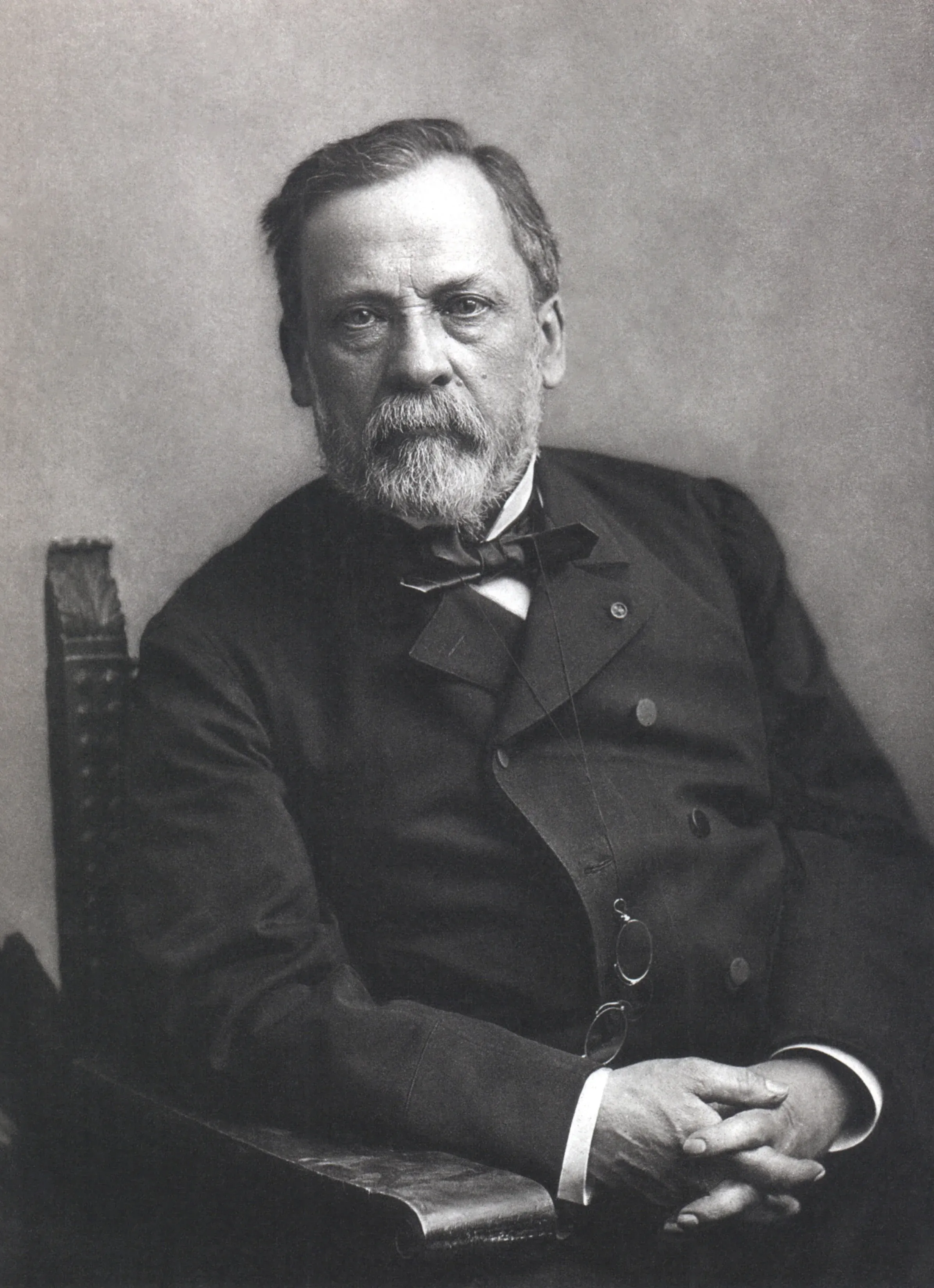
Even after microorganisms were discovered, many believed that fermentation occurred through purely chemical reactions. That changed in the 19th century when Louis Pasteur demonstrated that microorganisms were responsible for fermentation.
Pasteur proved that yeast converts sugar into alcohol and that bacteria can spoil food. His groundbreaking work also led to the invention of pasteurization, a simple heat treatment that continues to make milk and beverages safer across the world.
His famous quote still inspires food scientists today:
"Chance favors only the prepared mind."
When Germs Became the Enemy
While some microbes create delicious foods, others cause food spoilage and foodborne diseases.
In the late 1800s, Robert Koch established techniques to identify disease-causing bacteria and introduced methods that transformed microbiology into a scientific discipline. His work laid the foundation for detecting foodborne pathogens and protecting public health.
Soon, scientists began identifying dangerous microorganisms such as Salmonella, Listeria, Escherichia coli, and Clostridium botulinum, helping industries develop safer food production practices.
The Rise of Industrial Food Microbiology
The 20th century brought rapid advances in food production. Instead of relying on natural fermentation, industries began using starter cultures—carefully selected beneficial microorganisms that ensured consistent quality, taste, and safety.
Food microbiology also introduced:
- Quality control testing
- Shelf-life prediction
- Food preservation technologies
- Microbiological standards
- Rapid pathogen detection methods
Today, every glass of milk, packet of yogurt, loaf of bread, and ready-to-eat meal undergoes microbiological evaluation before reaching consumers.
The Modern Era: Beyond Food Safety
Food microbiology has evolved far beyond preventing spoilage.
Scientists now study the gut microbiome, develop probiotic and prebiotic foods, create plant-based fermented products, explore postbiotics, and even use Artificial Intelligence to predict food spoilage. Modern food microbiologists combine microbiology with genomics, biotechnology, nanotechnology, biosensors, and data science to build safer and healthier food systems.
Why Food Microbiology Matters Today
Food microbiology plays a vital role in:
- Ensuring food safety
- Preventing foodborne illnesses
- Reducing food waste
- Developing sustainable food products
- Supporting functional and fermented foods
- Improving global public health
Every bite of safe food you enjoy today is backed by decades of scientific discoveries made by microbiologists around the world.
Did You Know?
- Nearly 95% of microorganisms are harmless, and many are beneficial.
- One gram of yogurt may contain billions of beneficial bacteria.
- Bread rises because yeast releases carbon dioxide during fermentation.
- Cheese owes its incredible variety of flavors to different microorganisms.
- Fermented foods are among humanity's oldest processed foods.
The Future Is Microbial
From ancient fermentation pots to AI-powered food safety systems, the journey of food microbiology is one of curiosity, discovery, and innovation.
As food technologies continue to evolve, microorganisms remain our invisible partners—helping us produce safer, healthier, tastier, and more sustainable foods.
So, the next time you enjoy yogurt, cheese, kimchi, bread, or chocolate, remember: you're tasting the remarkable work of billions of microscopic helpers that have shaped human civilization for thousands of years.
Food may nourish us, but microbes make much of that nourishment possible.